

Missing teeth can affect your ability to eat comfortably, speak clearly, and feel confident in your smile. Fortunately, dentures provide a reliable tooth replacement option for many patients looking to restore both the function and appearance of their smiles.
When exploring dentures, one of the first decisions to consider is whether full dentures or partial dentures are the better choice for your needs. The right option depends on how many teeth are missing, the health of your remaining teeth, and your personal smile goals.
At Universal Dentistry, we help patients understand their tooth replacement options and create personalized treatment plans designed to support their oral health and quality of life.
What Are Dentures?
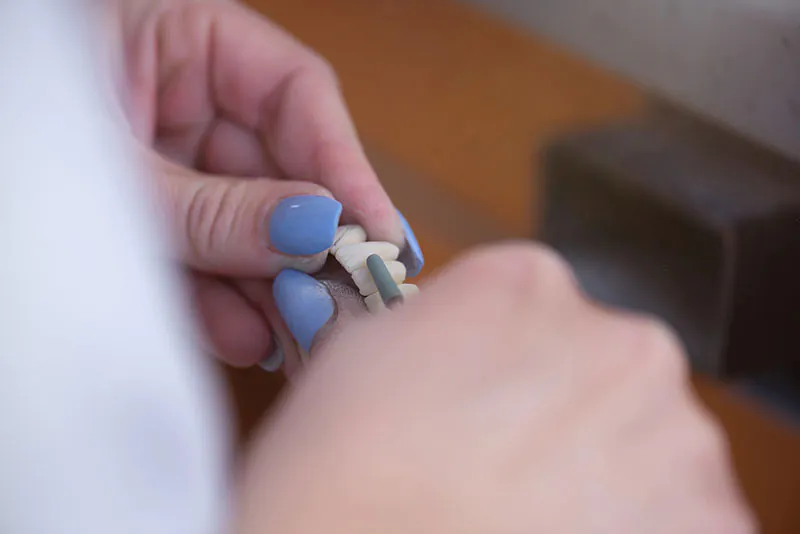 Dentures are removable dental appliances designed to replace missing teeth and surrounding oral tissues. They are custom-made to fit your smile and help restore important functions like chewing and speaking.
Dentures can replace several missing teeth or an entire arch of teeth, depending on your needs. They are available in two primary types:
- Full dentures
- Partial dentures
While both options are designed to restore your smile, they are used in different situations.
What Are Full Dentures?
Full dentures, also called complete dentures, are designed to replace an entire arch of missing teeth. They can replace all teeth on the upper arch, lower arch, or both.
Full dentures are typically recommended for patients who have lost all of their natural teeth in one or both arches or who need to have remaining teeth removed due to severe damage or decay.
Benefits of Full Dentures
Full dentures can help:
- Restore the appearance of your smile
- Improve chewing ability
- Support clearer speech
- Restore facial structure after tooth loss
- Provide a removable solution for complete tooth replacement
Modern dentures are designed to look natural and provide a comfortable fit when properly created and maintained.
What Are Partial Dentures?
Partial dentures are designed for patients who are missing some teeth but still have healthy natural teeth remaining. A partial denture fills the spaces left by missing teeth and uses the remaining teeth for support.
Partial dentures may be recommended when a patient has several missing teeth but does not need a full replacement of an entire arch.
Benefits of Partial Dentures
Partial dentures can help:
- Fill gaps caused by missing teeth
- Prevent remaining teeth from shifting
- Improve chewing and speaking ability
- Restore balance and appearance to your smile
- Provide a removable tooth replacement option
Full Dentures vs. Partial Dentures: What Is the Difference?
The primary difference between full and partial dentures is the number of teeth they replace.
Full Dentures
Full dentures replace all teeth in an upper or lower arch. They may be best for patients who:
- Have lost all of their teeth
- Need extensive tooth replacement
- Have remaining teeth that cannot be restored
Partial Dentures
Partial dentures replace some missing teeth while keeping healthy natural teeth in place. They may be best for patients who:
- Are missing several teeth
- Still have strong natural teeth remaining
- Want to restore their smile without replacing every tooth
What Should You Consider When Choosing Dentures?
Choosing between full and partial dentures depends on several factors, including:
Your Remaining Teeth
If you still have healthy natural teeth, a partial denture may be an option. If all teeth in an arch are missing or require removal, full dentures may be recommended.
Your Oral Health
Your dentist will evaluate your gums, jawbone, and remaining teeth to determine the best approach for restoring your smile.
Your Lifestyle and Goals
Some patients prefer a removable solution that can be adjusted over time, while others may want to explore implant-supported options for additional stability.
Your Long-Term Treatment Plan
Dentures are one option for replacing missing teeth, but your dentist may also discuss alternatives such as dental implants or implant-supported dentures depending on your needs.
How Do You Care for Dentures?
Proper care helps keep your dentures comfortable and functioning well.
To maintain your dentures:
- Clean them daily as directed by your dentist
- Handle them carefully to avoid damage
- Keep your mouth and gums clean
- Attend regular dental visits
- Follow your dentist's recommendations for adjustments or replacement
Even if you wear full dentures, routine dental visits remain important for monitoring your oral health.
Find the Right Tooth Replacement Solution at Universal Dentistry
Whether you need full dentures, partial dentures, or another restorative option, choosing the right treatment begins with a personalized consultation.
At Universal Dentistry, we are committed to helping patients restore comfortable, confident smiles with customized dental care. Our team can evaluate your needs, answer your questions, and help you determine which tooth replacement option is right for you.
Contact Universal Dentistry today to schedule a consultation and learn more about your denture options.